Complex disability is my passion

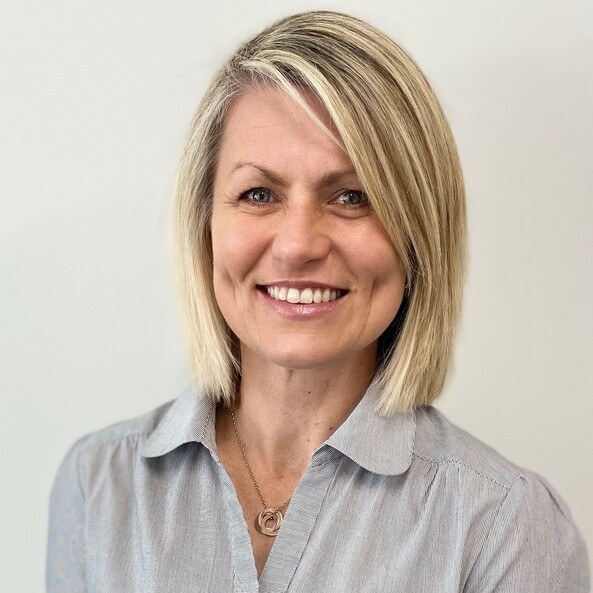
Hello, I'm Tracie McInnes and I am the owner and sole practitioner of myOTsa, an Occupational Therapy service for adults.


I have over 27 years of experience working with people living with complex physical, neurological and intellectual disabilities.  I can provide services under the NDIS, Lifetime Support Authority (LSA), RTWSA (serious & permanent injuries), DSOA & CTP.  


I pride myself on improving one's capacity through evidence-based assessments and rehabilitation. Where this is not possible, assistive technology and environmental adaptations are identified to maximise independence, function, safety and comfort.


I have long had a passion for people with complex disabilities. Those in the community who are most vulnerable.  Those who are most deserving of experienced, specialist practitioners who think outside the square and go the extra mile to achieve positive outcomes.


Although not an exhaustive list, I have specialised over my 27 years in physical and neurological conditions such as Cerebral Palsy, Multiple Sclerosis (MS), Acquired Brain Injury (ABI), Spinal Cord Injury, Motor Neuron Disease (MND), Huntington’s Chorea, Muscular Dystrophy, Parkinson's Disease and Down Syndrome. 

27+ years of experience, including in the NDIS since its inception

Member of National Disability & NDIS Reference Group

Specialise in complex physical, neurological & intellectual disability

Get to know me better

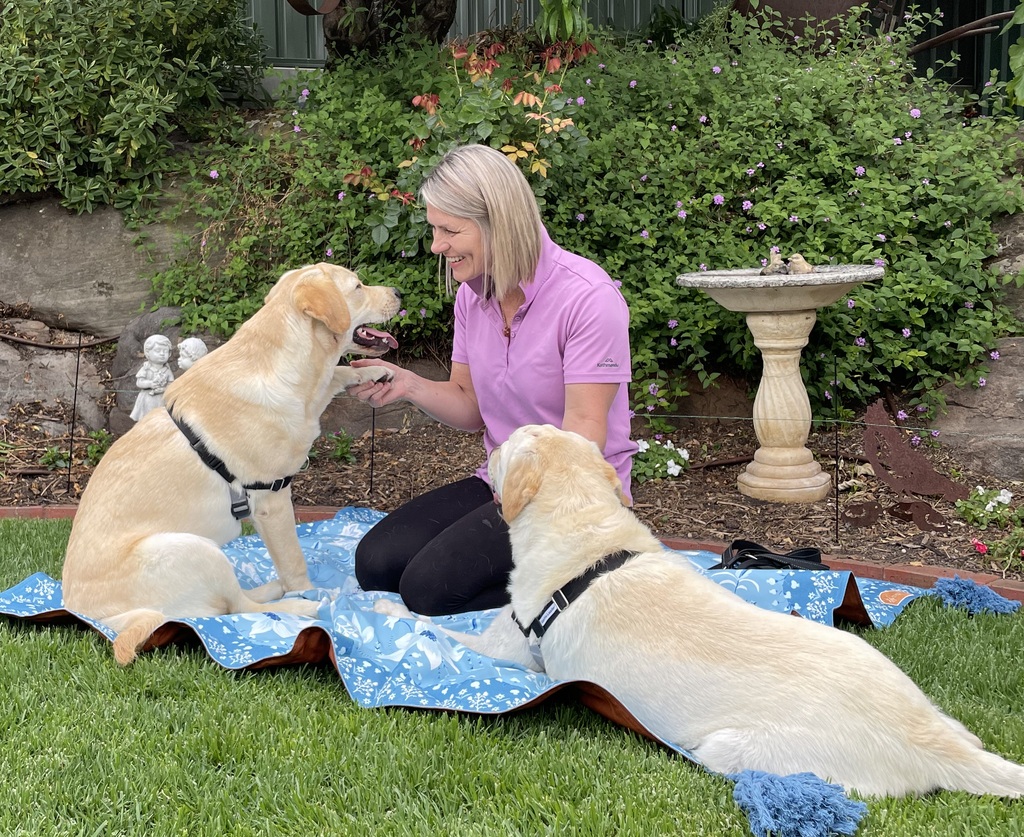
I love spending time with family, staying active in the outdoors and walking our Labradors, Molly and Rosie.  I also love our garden and making our house feel like a home.  I enjoy being creative with a range of different projects, including using my OT skills to design renovations within our home. 


Learn more about my clinical experience by clicking below.

My OT services

Disability specific home modifications & accessible design. I am a qualified NDIS "Home Modifications Assessor", meaning I can assess for, and prescribe all levels of home modifications, without interruption to service provision.  This can range from: 

  • Category A minor home modifications: less than $10,000 and low risk.
  • Category B minor home modifications: customised non-structural modification that cost $10,000-$20,000 (requires "home                       modifications assessor" status). 
  • Complex Home Modifications: all structural and non-structural modifications that cost over $20,000 to meet disability accessible           design (requires "home modifications assessor" status). 


In addition to NDIS clients, I can also provide services under a range of compensable/insurance providers and for people living with a disability who reside in Housing SA public housing. 


I have extensive experience in complex AT assessment & prescription, including highly customised solutions.  As an Assistive Technology Assessor, I specialise in assessing the person, their individual needs and their environment.  Then, in collaboration with the client, I determine the most appropriate assistive technology to suit those needs.


The NDIS refers to three levels of assistive technology:

  • Low cost AT\ (under $1,500 per item)
  • Mid Cost AT ($1,500 - $15,000 per item) 
  • High cost AT (over $15,000)


I can assist with all levels of AT complexity and am experienced with the reporting requirements of the NDIS and all other funding bodies.

I have extensive experience in the prevention & management of pressure injuries for people living with limited mobility. 


I adopt a holistic approach to consider risk factors for the person and the possible contributing environmental factors. The importance of applying a multi-disciplinary and evidence-based  approach to pressure management is critical and I enjoy working with all key stakeholders to identify solutions and a suitable intervention plan.

I have extensive experience in assessing and prescribing both manual and powered wheelchairs, as well as other mobility aids.

Understanding an individual's goals and the intended use of the mobility aid, along with the environments where it will be utilised, is crucial for achieving positive outcomes. I take pride in staying informed about the latest technology and collaborating with equipment suppliers to identify the most suitable products that help individuals reach their mobility objectives.

A person's mobility goal often extends beyond simply moving from point A to point B. Throughout my career, I have been fortunate to assist many individuals with specialised mobility aspirations, including the assessment and prescription of sit skis for snow skiing, hiking wheelchairs, powered mobility devices for use on sand and challenging terrains, mobility aids specifically designed for farm duties, in addition to wheelchairs with powered seat elevation to support people to continue engaging in valued occupations - one being to assist a person to ride their horse.  


I also specialise in highly customised manual wheelchairs for active users, to ensure maximal efficiency for the physical effort exerted.  This includes a range of light weight, highly customised manual wheelchairs, fitted and prescribed to the individual's needs.  This at times requires the consideration of compatibility with suitable add-on power assist devices, where appropriate.  I have been fortunate to prescribe highly customised sport wheelchairs for wheelchair basketball and tennis, to support people to pursue their pre-injury occupations.  


I enjoy working with the person and suppliers to determine solutions to best suit the person's mobility needs.

I am one of South Australia's leading experts in posture management and customised wheelchair seating for individuals with complex postural support needs, due to physical and neurological conditions. I take pleasure in collaborating with clients, key support people and equipment suppliers to develop tailored solutions that ensure optimal comfort and function. 


Postural management and customised seating can extend outside of wheelchair seating.  I have been fortunate to assist in prescribing a range of highly customised seating for work station seating and adult postural/comfort chairs.  There are many rewarding outcomes I can reflect upon, but one situation that required additional thought and research, was the prescription of a saddle to provide the postural support required to compensate for the person's reduced function, to enable them to return to horse riding.


Providing solutions to complex postural support needs, requires thorough postural evaluation and persistence to work with the person and equipment supplier to determine appropriate solutions.  This can be an intensive time commitment for all parties, to ensure optimal outcomes are achieved.

People living with a disability may require the support of formal and/or informal supports to assist with activities of daily living.


I specialise in identifying potential hazards and risks for support people, and the person, during transfers, personal care routines and other activities of daily living. I enjoy assisting people to identify improvements to technique and safe and practical ways to perform manual handling tasks.  This includes being aware of assistive technology solutions, such as appropriate person transfer equipment (person hoists and slings, stand aids etc) and the appropriate application.  


Over my career, I have been involved in providing theory and hands on manual handling training to a number of larger support agencies, in addition to providing comprehensive individualised manual handling and care plans for people living with a disability.  

Assessing an individual's ability to perform Activities of Daily Living (ADLs) is essential for evaluating their independence and identifying the level of support or assistance they may need for daily tasks. The complexity and scope of a functional capacity assessment can vary, but it typically evaluates a person's performance in personal self-care as well as general activities both at home and within the community.  


I have extensive experience in conducting functional capacity assessments, often utilising standardised assessment tools.  I am an accredited Functional Independence Measure (FIM) assessor.

Assessing one’s functional capacity is critical in determining their function and what level of accommodation support and/or assistance they may require. 


I have extensive experience in undertaking functional capacity assessments to inform supported accommodation needs, in accordance to funding body criteria and evidence required.

At times people are clear about their needs and a referral for occupational therapy can be specific to those needs.  I will always work with the person to adapt what the initial assessment process will look like.  For example, if a person makes contact about needing a replacement wheelchair, the initial assessment is adapted to be specific to that need, to ensure the person obtains the services they require.


In other situations, the person is requiring support, but is unsure about what it is they specifically require.  They may require an overview of their function and goals to help inform an intervention plan moving forward, to best support them in achieving their goals.  In this instance, an initial assessment is a comprehensive process where I will gather information about a person's physical, cognitive, emotional, and environmental needs to understand their ability to perform daily activities. During this assessment I will interview the client, observe the performance of activities of daily living, assess the environment and discuss the client's goals.  The collected data helps to identify areas that require intervention, which informs the development of a personalised intervention plan aimed at enhancing the client's independence, improving their quality of life, and achieving their specific goals.